

Single Service
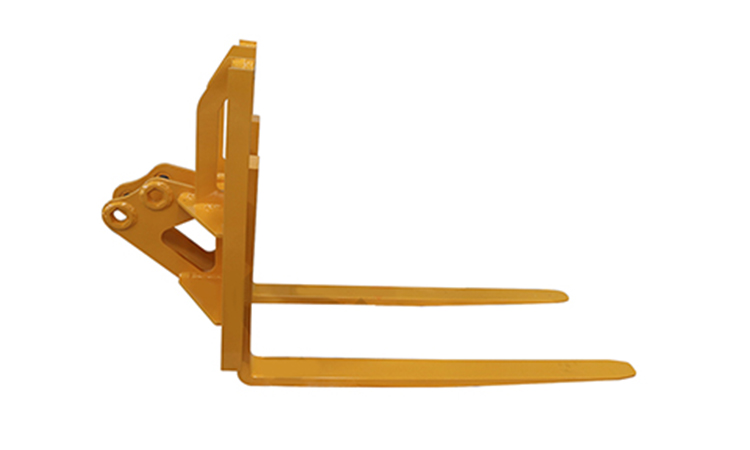
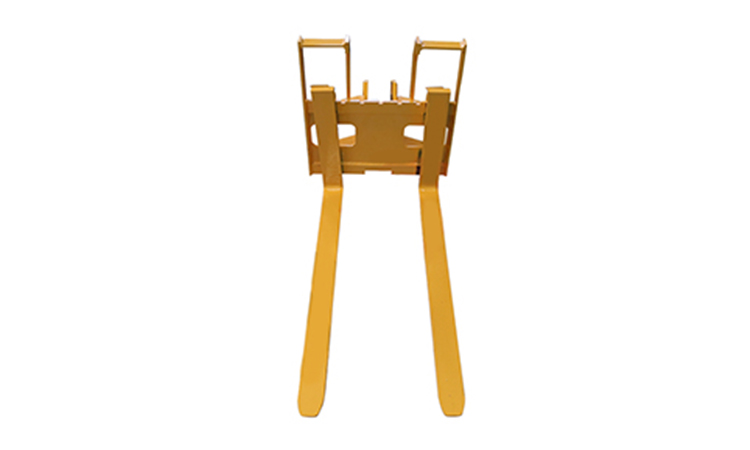
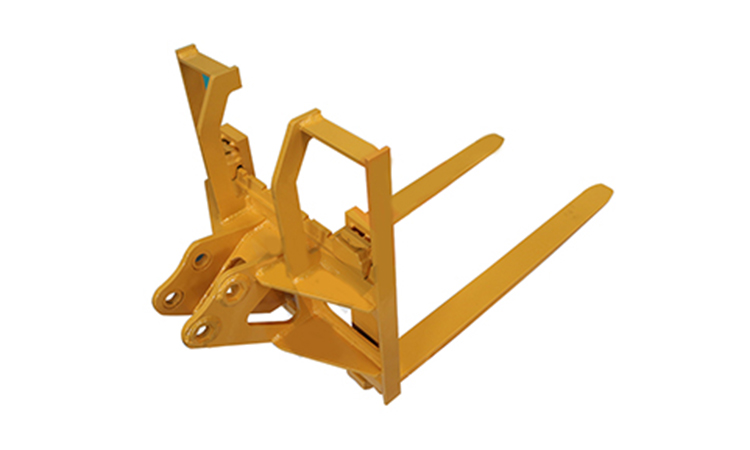
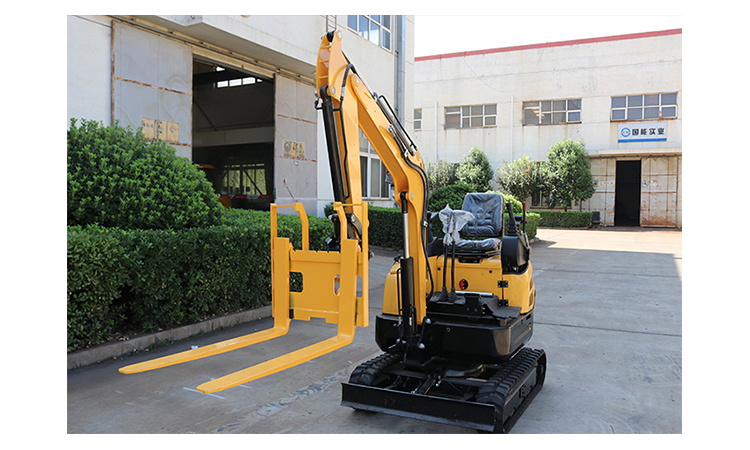
Cargo Fork
/ Maximum load capacity:260kg / / Length:1373mm / / Width:576mm / / Pin diameter:φ25mm /
cargo fork/cargo fork china/cargo fork for sale/rust cargo fork
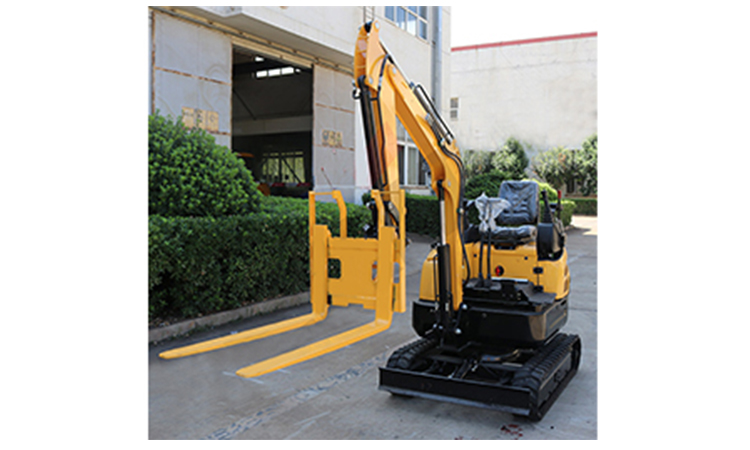
Cargo fork can be transformed into small forklifts, which can easily pick up, move, and transport goods and other items, achieving multi-purpose and flexible efficiency in one vehicle. When installing the forklift arm on an excavator or loader through a connecting frame to handle goods, the width of the fork arm can be adjusted, making it convenient and fast.
Forks can be transformed into small forklifts, which can easily pick up, move, and transport goods and other items, achieving multi-purpose and flexible efficiency in one vehicle. When installing the forklift arm on an excavator or loader through a connecting frame to handle goods, the width of the fork arm can be adjusted, making it convenient and fast.
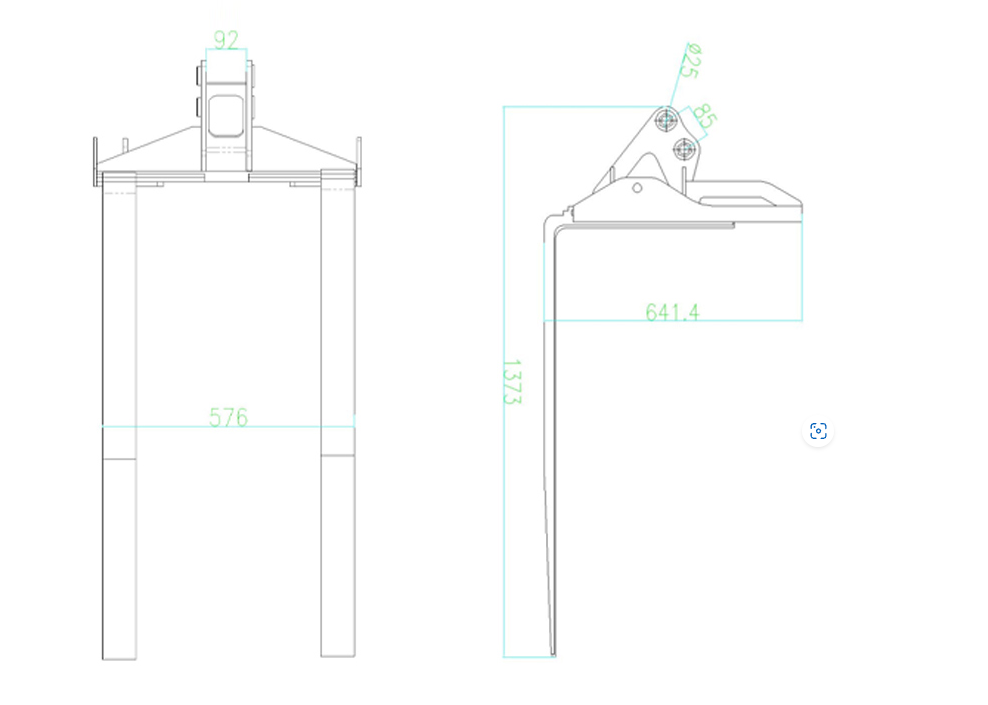
Structure diagram of small excavator cargo fork
Application occasions of small excavator cargo fork
Cargo fork are widely used in industries such as warehousing, papermaking, packaging, printing, tobacco, household appliances, alcohol and beverages, woolen and cotton textiles, ports and docks, railways, automobile manufacturing, steel smelting, chemical and construction. In addition to ordinary hook type forks, there are also dynamic load forks, explosion-proof forks, cover shaped forks, folding forks, sleeve type forks, fork extenders, drum type forks, wooden forks, etc. Special forks, such as forks, square forks, and contour forks.
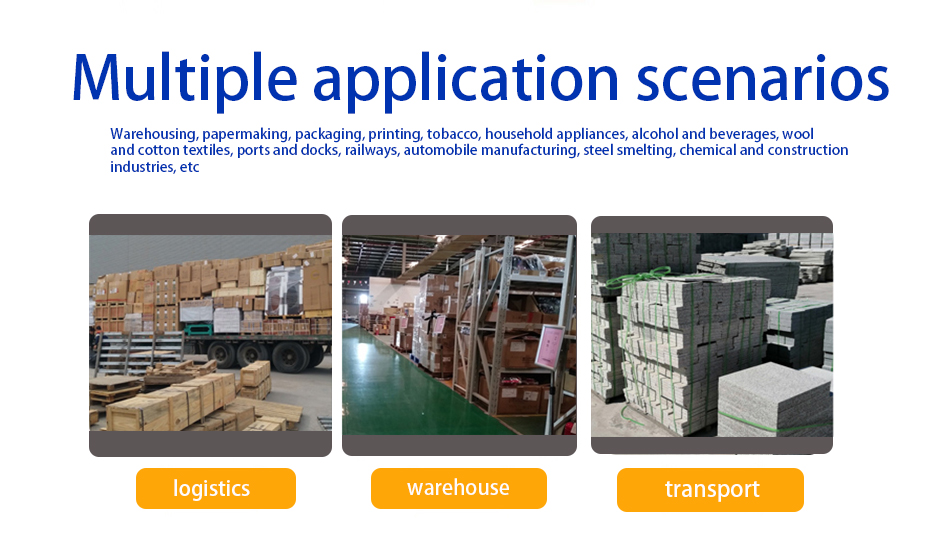
Application occasions of small excavator cargo fork
Detailed display of small excavator forks
Thickening and widening,Seamless welding for greater wear resistance
Thickening and widening,Seamless welding for greater wear resistance
Snake shaped fork tip, less prone to damage to goods, safer to work
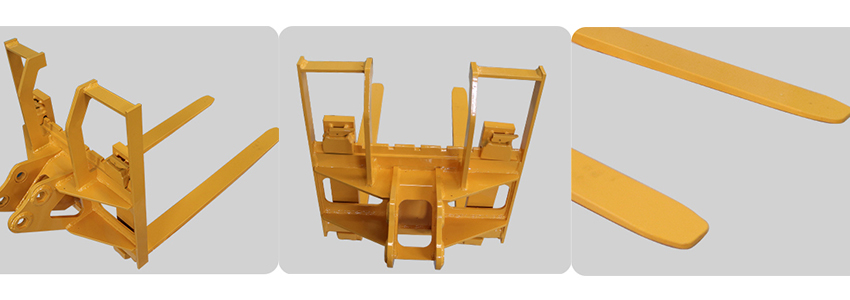
Detailed display of small excavator cargo forks
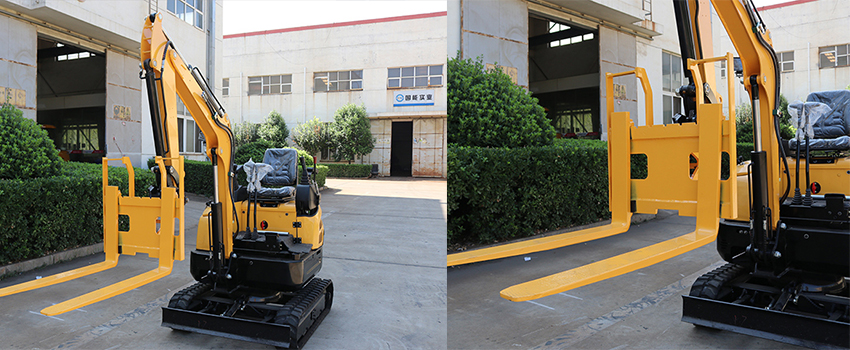
Installing forks on small excavators
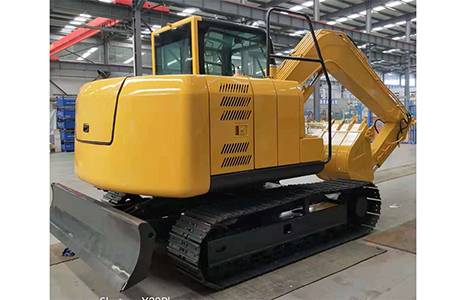
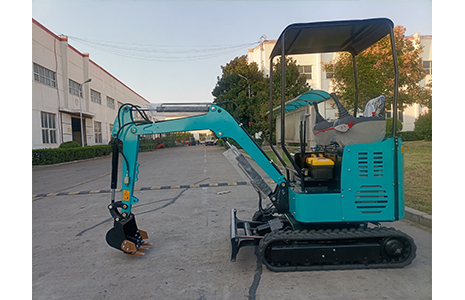
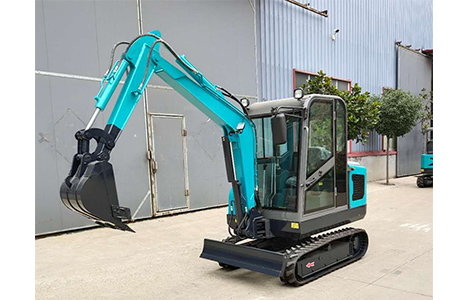
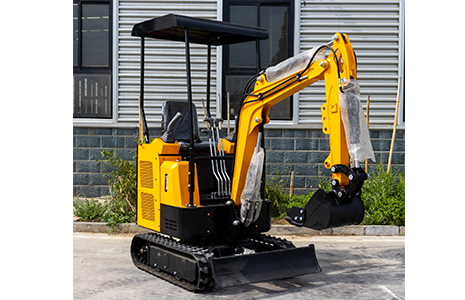
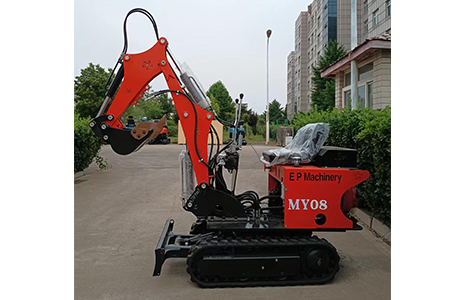
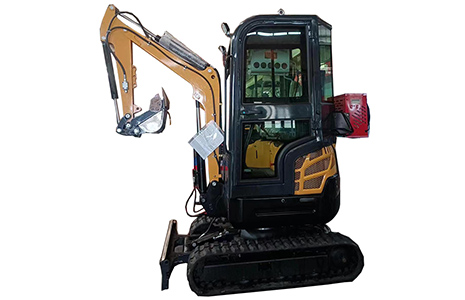
When buying the compact mini excavator, buyers should pay attention to whether the overall shape of the excavator is beautiful, whether the start -up method is electrical or hand -opening, whether the operation button of the machine is simple, whether there is a large capacity water tank, whether the machine can provide a variety of power, brand reputation, brand reputation, etc.
In modern urban construction and farmland farming, efficiency and cost control have become important considerations for many engineering contractors and farmers. Faced with this demand, Kubota's engine-driven 1.3 ton mini crawler excavator quickly captured the market's attention with its affordable price tag.
Philconstruct 2023, scheduled to take place from Nov. 09 ~ 12, Nov. 2023. It is one of the most highly anticipated events in Manila, Philippines.
This paper deeply explores the wide application of small mini excavators in various fields of modern society, including construction, municipal engineering, agricultural production, gardening, etc. Its advantages are analyzed through specific cases, and future development trends are prospected.